







Smriti Mandhana Confronts Cameraperson During WPL 2026 Opener: Complete Analysis of Viral Incident
The Viral Incident That Captured Cricket Fans’ Attention
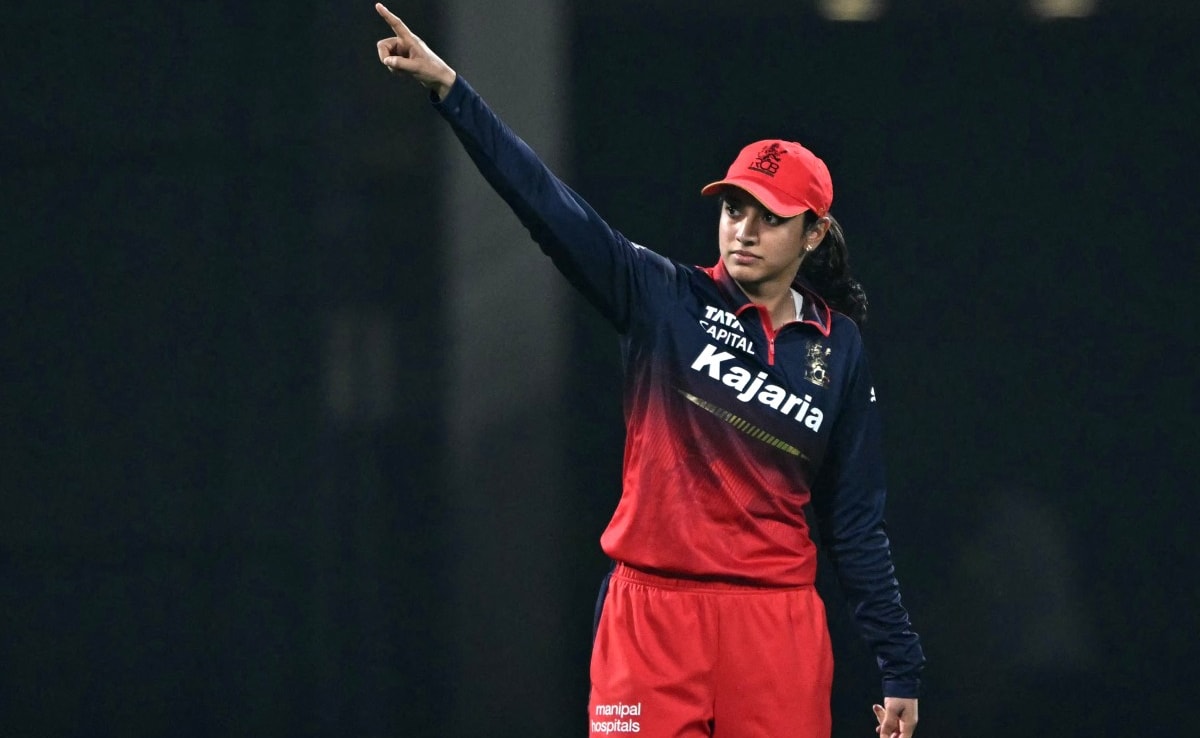
The opening match of the Women’s Premier League (WPL) 2026 witnessed an unexpected moment that rapidly gained traction across social media platforms. Royal Challengers Bangalore captain Smriti Mandhana found herself in an uncomfortable situation with a cameraperson during the tournament’s inaugural fixture, leading to a viral video that has sparked widespread discussion among cricket enthusiasts and media professionals alike.
The incident occurred during a critical juncture of the match when Mandhana, one of India’s most accomplished batswomen, appeared visibly frustrated with the persistent presence of broadcast cameras in close proximity. The footage captures the left-handed opener expressing her displeasure at what she perceived as intrusive camera work that interfered with her concentration and personal space during the high-pressure encounter.
Understanding the Context of Smriti Mandhana’s Reaction
Smriti Mandhana, regarded as one of the finest opening batters in women’s cricket globally, has consistently maintained professional composure throughout her illustrious career. Her reaction during the WPL 2026 opener therefore demands contextual understanding rather than superficial judgment.
The pressure associated with captaining a franchise team in a premier league tournament cannot be understated. As the leader of Royal Challengers Bangalore, Mandhana shoulders immense responsibility for tactical decisions, team morale, and on-field performance. When combined with the expectations of fans and sponsors, these pressures create an environment where maintaining focus becomes paramount.
Modern cricket broadcasts employ multiple camera angles and close-up shots to enhance viewer engagement and provide comprehensive coverage. However, this approach occasionally crosses boundaries that players find uncomfortable, particularly during moments requiring intense concentration or strategic deliberation with teammates.
Breaking Down the Viral Video: Frame-by-Frame Analysis
The video circulating across social media platforms and cricket forums shows Mandhana in what appears to be a brief interval between overs or during a drinks break. A cameraperson approaches unusually close to the Indian international, prompting her to signal her discomfort through both verbal communication and hand gestures.
Observers note that Mandhana’s body language clearly indicated her desire for personal space, a reasonable expectation even within the commercialized environment of franchise cricket. The cameraperson’s proximity appeared to violate the unwritten protocols that typically govern player-media interactions during live matches.
What makes this incident particularly noteworthy is Mandhana’s restrained yet firm response. Rather than creating a dramatic confrontation, she communicated her boundaries assertively while maintaining the professionalism expected from someone of her stature in international cricket.
The Growing Debate Around Player Privacy in Women’s Cricket
This incident has reignited important conversations regarding the balance between comprehensive sports coverage and respecting athletes’ personal boundaries. Women’s cricket has experienced exponential growth in viewership and commercial value, particularly following the success of tournaments like the WPL, which has attracted substantial investments from broadcasters and sponsors.
With this commercial success comes heightened media scrutiny and more intensive broadcast coverage. While increased visibility benefits the sport’s development and provides deserved recognition to women cricketers, it simultaneously introduces challenges related to privacy, personal space, and the mental wellbeing of athletes performing under constant observation.
Cricket stakeholders including administrators, broadcasters, and players themselves must establish clear guidelines governing camera placement, acceptable filming distances, and circumstances where players can reasonably expect reduced media presence. The Women’s Premier League, as a flagship tournament for women’s cricket in India, bears responsibility for setting precedents that protect player welfare while delivering engaging content to audiences.
Smriti Mandhana’s Stellar Career and Leadership Credentials
To fully appreciate the significance of this incident, we must acknowledge Smriti Mandhana’s remarkable contributions to cricket. The Sangli-born batter has accumulated numerous accolades throughout her career, establishing herself as a cornerstone of Indian women’s cricket.
Mandhana holds multiple records in international cricket across formats. Her elegant left-handed batting style, characterized by impeccable timing and classical technique, has drawn comparisons to some of the greatest batters in cricket history. She became the first Indian woman to score a double century in a one-day match, achieved during a tour of South Africa, demonstrating her ability to construct marathon innings under pressure.
Her leadership qualities extend beyond mere statistical achievements. As captain of Royal Challengers Bangalore in the WPL, Mandhana guides a diverse group of domestic and international players, managing egos, fostering team chemistry, and making tactical decisions in real-time during matches. This multifaceted role requires emotional intelligence, strategic acumen, and the ability to maintain composure under scrutiny.
WPL 2026: Tournament Significance and Expectations
The Women’s Premier League has rapidly established itself as one of the premier domestic Twenty20 competitions globally. The 2026 edition carries particular significance as the tournament continues evolving in its format, player compensation structure, and broadcast reach.
Franchise teams invested heavily in acquiring top talent through the auction process, creating squads that blend international superstars with emerging domestic players. Royal Challengers Bangalore, under Mandhana’s captaincy, entered the tournament with championship aspirations following strategic additions to their roster during the pre-season trading window.
The opening match traditionally attracts maximum attention from media outlets, sponsors, and cricket fans eager to witness the beginning of another exciting season. This heightened scrutiny creates additional pressure on players, particularly those in leadership positions like Mandhana, who must navigate performance expectations while serving as ambassadors for their franchises.
Media Ethics and Broadcast Standards in Sports Coverage
The incident involving Smriti Mandhana raises broader questions about media ethics within sports broadcasting. Professional sports journalism and broadcast production operate under codes of conduct designed to balance public interest with individual dignity and privacy rights.
International cricket boards and tournament organizers typically provide accreditation guidelines for media personnel, specifying permissible areas, acceptable equipment, and behavioral standards. However, enforcement of these guidelines varies considerably, and gray areas frequently emerge during live broadcasts when producers seek compelling footage that enhances storytelling.
Women athletes across various sports have historically faced different standards of media coverage compared to their male counterparts. This disparity sometimes manifests in excessive focus on appearance, personal relationships, or emotional reactions rather than athletic performance and tactical acumen. The cricket community must remain vigilant against such biases creeping into WPL coverage, ensuring that players receive professional treatment commensurate with their status as elite athletes.
Social Media Response and Public Opinion
The viral spread of the Mandhana-cameraperson incident demonstrates social media’s power in shaping public discourse around sporting events. Within hours of the video’s circulation, cricket fans, commentators, and former players weighed in with diverse perspectives on the appropriate boundaries between media coverage and player comfort.
A significant portion of responses supported Mandhana’s reaction, arguing that athletes deserve reasonable personal space even during commercial sporting events. These supporters emphasized that uncomfortable players cannot perform at their optimal level, ultimately diminishing the quality of entertainment that broadcasters seek to provide.
Conversely, some commentators suggested that intensive media coverage represents an inevitable aspect of modern professional sports, particularly in lucrative tournaments like the WPL where broadcast revenues significantly fund player salaries and tournament operations. This perspective advocates for players developing greater tolerance for media presence as part of their professional responsibilities.
A third group called for clearer protocols and mutual understanding between players and broadcast crews, suggesting that both parties share responsibility for creating an environment conducive to excellent cricket while meeting legitimate broadcasting objectives.
Comparing Media Protocols Across International Cricket Tournaments
Examining how various international cricket tournaments manage player-media interactions provides valuable context for understanding the WPL situation. The Indian Premier League (IPL), Big Bash League (BBL), Caribbean Premier League (CPL), and international fixtures organized by the International Cricket Council (ICC) each employ distinct approaches to broadcast coverage and player access.
The IPL, as the WPL’s male counterpart, utilizes extensive camera networks including spider cams, ultra-motion cameras, and multiple handheld units to capture comprehensive match coverage. However, established protocols generally restrict cameraperson access to designated areas, preventing the type of close proximity that appeared to trouble Mandhana during the WPL opener.
ICC tournaments implement stringent media zones clearly demarcated around playing areas and team facilities. Accredited media personnel receive detailed briefings on acceptable practices, with violations potentially resulting in credential revocation. This structured approach minimizes conflicts while ensuring broadcast partners obtain necessary footage for compelling storytelling.
The Women’s Premier League, as a relatively young tournament, continues refining its operational protocols. Learning from established competitions while addressing the unique considerations of women’s cricket will prove essential for the WPL’s sustained growth and reputation as a premier sporting product.
Impact on Player Performance and Mental Health
Sports psychology research consistently demonstrates that environmental factors significantly influence athletic performance. Distractions, perceived intrusions, or uncomfortable situations can disrupt the mental state required for optimal execution of skills, particularly in precision sports like cricket where concentration and decision-making prove crucial.
Elite athletes develop pre-performance routines and environmental preferences that facilitate their best work. Disruptions to these routines, such as unexpected camera presence or perceived violations of personal space, can trigger stress responses that impair focus, timing, and tactical awareness.
The mental health dimension extends beyond immediate performance implications. Professional athletes increasingly advocate for recognition of their psychological wellbeing as integral to overall health, rather than viewing mental resilience simply as a performance enhancement tool. Creating environments where players feel respected and comfortable represents not merely a courtesy but a fundamental aspect of duty of care that sporting organizations owe their participants.
Smriti Mandhana’s willingness to assert her boundaries, even in a high-profile tournament setting, potentially encourages other players to communicate their discomfort when media practices seem inappropriate. This cultural shift toward prioritizing athlete wellbeing alongside commercial considerations ultimately benefits the sustainability of professional sports.
Broadcast Revenue and Commercial Realities of Modern Cricket
Understanding the commercial landscape surrounding the Women’s Premier League helps contextualize the competing interests involved in broadcast coverage. The WPL secured substantial broadcast rights deals that fund the tournament’s operations, player salaries, franchise fees, and prize money. These financial arrangements depend on delivering engaging content that attracts viewership and justifies advertising rates.
Broadcasters invest heavily in production quality, employing cutting-edge technology and creative camera work to differentiate their coverage from competitors. Close-up shots of players’ reactions, emotions, and interactions contribute to narrative development that transforms a sporting contest into compelling entertainment suitable for diverse audiences.
However, commercial imperatives must be balanced against ethical considerations and long-term sustainability. Short-term gains from invasive coverage that creates viral moments could damage relationships with players, tarnish the tournament’s reputation, and ultimately undermine the trust necessary for the WPL’s continued success.
Progressive sports organizations recognize that respecting participants enhances rather than diminishes commercial value. Athletes who feel valued and protected become better ambassadors for their sport, demonstrate greater longevity in their careers, and create authentic moments that resonate more powerfully with audiences than manufactured controversies.
Establishing Best Practices for Future Tournaments
The incident involving Smriti Mandhana presents an opportunity for the Women’s Premier League and broader cricket community to establish enhanced protocols governing player-media interactions. Several measures could prevent similar situations while preserving the quality of broadcast coverage that fans expect.
Comprehensive pre-tournament briefings for all media personnel should clearly outline acceptable practices, prohibited behaviors, and consequences for violations. These guidelines should be developed collaboratively with player representatives to ensure they address genuine concerns while remaining operationally feasible.
Designated player liaison officers could serve as intermediaries between athletes and media crews, facilitating communication and intervening when situations become uncomfortable. These officials would possess authority to enforce protocols in real-time, preventing minor issues from escalating into public controversies.
Technology solutions might include clearly marked exclusion zones around team areas, monitored through sensor systems that alert operators when equipment enters restricted spaces. While implementing such systems requires investment, the long-term benefits of preventing conflicts and protecting player wellbeing justify the expenditure.
Regular feedback mechanisms allowing players to confidentially report concerns about media conduct would enable tournament organizers to identify problematic patterns and address issues before they generate public incidents. Creating culture where player feedback receives serious consideration demonstrates respect for athletes as stakeholders rather than merely content generators.
The Broader Context of Women’s Sports Development
The Smriti Mandhana incident, while seemingly minor in isolation, connects to larger narratives surrounding women’s sports development and the challenges female athletes navigate in gaining recognition while maintaining dignity. Women’s cricket has fought persistently for resources, media coverage, and public attention commensurate with the skill and dedication that female cricketers demonstrate.
Achieving this visibility involves delicate negotiations around how women athletes are portrayed, what aspects of their participation receive emphasis, and whether coverage adheres to standards that prioritize athletic merit. Inappropriate media practices risk reinforcing outdated stereotypes or treating women cricketers as novelties rather than elite professionals deserving respect.
The Women’s Premier League represents a watershed moment for Indian women’s cricket, providing unprecedented financial rewards, global exposure, and career sustainability. Protecting this progress requires vigilance against practices that might objectify players, invade privacy, or otherwise compromise the professional environment that enables peak performance.
Supporting women’s cricket means advocating for conditions where female athletes can compete without facing differential treatment regarding privacy, media access, or behavioral expectations. When incidents arise, the cricket community’s response reveals whether genuine commitment exists to equality and respect, or whether women’s sports remain peripheral concerns subordinated to commercial considerations.
Technical Aspects of Sports Broadcasting
Understanding the technical realities of modern sports broadcasting provides context for why conflicts occasionally arise between production requirements and player comfort. Contemporary cricket broadcasts employ dozens of cameras positioned at various angles to capture comprehensive match coverage.
Broadcast directors coordinate feeds from static cameras mounted in commentary boxes, mechanized cameras on rails or wires, and mobile units operated by camerapersons on the ground. This complex orchestration aims to provide viewers with diverse perspectives, close-ups of crucial moments, and reaction shots that enhance storytelling.
Handheld camera operators receive instructions through earpieces from directors in production trucks, guiding them toward specific subjects or anticipated action. During breaks in play, operators often seek shots of players, coaches, or crowd reactions to fill broadcast time and maintain viewer engagement.
The challenge emerges when operators, focused on fulfilling director requests and capturing compelling footage, inadvertently infringe on personal space or film subjects who prefer not to be featured at that moment. Better training, clearer protocols, and improved communication between production teams and player liaison staff can mitigate these conflicts without compromising broadcast quality.
Learning from Other Sports: Cross-Industry Insights
Examining how other professional sports manage player-media relationships offers valuable lessons applicable to cricket. Tennis tournaments implement strict protocols around court access and player filming during matches, with designated areas where athletes can expect privacy during changeovers or between sets.
Professional football leagues establish media zones in stadiums where interviews occur, while restricting sideline access during matches to credentialed photographers who must adhere to specific behavioral standards. Violations can result in immediate credential revocation and potential bans from future events.
The Olympics, involving thousands of athletes across diverse disciplines, employs comprehensive media guidelines developed through extensive consultation with athlete committees, international federations, and broadcast partners. These frameworks balance legitimate journalistic access with athlete privacy rights, creating environments where participants can focus on performance.
Women’s tennis, which achieved professional parity earlier than many sports, offers particularly relevant examples. The Women’s Tennis Association (WTA) established clear standards around media conduct, interview obligations, and personal boundaries that respect players while fulfilling commercial requirements. Cricket can adapt these proven frameworks to its specific context.
The Role of Player Associations and Collective Advocacy
Professional athlete associations play crucial roles in advocating for member interests and negotiating standards with tournament organizers and governing bodies. The Indian Cricketers Association and similar organizations representing women cricketers globally should prioritize establishing comprehensive media protocols as part of their advocacy efforts.
Collective bargaining approaches allow players to present unified positions without individual athletes risking perceived conflicts with tournament organizers or sponsors. When player representatives negotiate on behalf of the entire group, individual incidents like the Mandhana situation can be addressed systematically rather than remaining isolated complaints.
Athlete associations in mature professional sports have successfully negotiated clauses in collective agreements specifying media access rights, mandatory rest periods, privacy protections, and grievance procedures for addressing violations. Cricket’s player associations should pursue similar provisions specific to the sport’s unique characteristics and cultural contexts.
Including player representatives in governance structures of tournaments like the WPL ensures that athlete perspectives inform policy development from inception rather than being considered only after problems arise. This collaborative approach builds trust and creates sustainable frameworks that evolve alongside the sport’s growth.
Future Implications for the Women’s Premier League
How the Women’s Premier League addresses the issues highlighted by the Smriti Mandhana incident will influence the tournament’s trajectory and reputation. Proactive measures that prioritize player welfare while maintaining broadcast quality will distinguish the WPL as a progressive, athlete-centered competition.
Tournament organizers face pressure from multiple stakeholders including players, broadcasters, sponsors, fans, and governing bodies. Navigating these competing interests requires sophisticated leadership capable of identifying solutions that advance collective interests rather than privileging any single constituency.
The WPL’s response to this incident sends signals to current and prospective participants about the value placed on player comfort and dignity. Women cricketers evaluating franchise opportunities consider not only financial compensation but also the professional environment, support systems, and respect accorded to athletes. Tournaments with reputations for protecting player interests attract superior talent and generate more compelling competition.
Similarly, fans increasingly expect sports organizations to demonstrate social responsibility and ethical conduct. Younger demographics particularly value authenticity, transparency, and evidence that commercial entities prioritize human wellbeing alongside profit. The WPL’s handling of player-media relations contributes to brand perception that influences long-term commercial success.
Conclusion: Moving Toward Balanced Solutions
The viral incident involving Smriti Mandhana and a cameraperson during the WPL 2026 opener transcends a momentary discomfort, illuminating fundamental questions about the relationship between commercial sports, media coverage, and athlete welfare. As women’s cricket achieves unprecedented visibility and financial success, establishing sustainable frameworks that respect all stakeholders becomes imperative.
Smriti Mandhana’s reaction demonstrated leadership extending beyond tactical captaincy, asserting boundaries that protect not only her comfort but potentially that of fellow players who might hesitate to voice similar concerns. Her willingness to communicate discomfort publicly, even risking criticism for appearing unprofessional or ungrateful, reflects the courage required to advance cultural change in sports environments.
The Women’s Premier League stands at a pivotal juncture where decisions made today will shape the tournament’s character for years to come. Prioritizing comprehensive protocols, meaningful player consultation, and balanced approaches to commercial requirements versus athlete wellbeing will determine whether the WPL fulfills its potential as a premier global sporting product that honors participants while entertaining audiences.
Cricket’s governing bodies, broadcast partners, franchise owners, and players themselves share responsibility for creating environments where excellence flourishes. This requires moving beyond reactive responses to individual incidents toward proactive development of frameworks that anticipate challenges and embed respect for human dignity within commercial operations.
Ultimately, the most successful sports properties recognize that protecting participant wellbeing enhances rather than constrains commercial value. Athletes who feel valued perform better, engage more authentically with fans, and contribute to compelling narratives that attract sustained audience interest. The path forward demands collaboration, mutual respect, and commitment to principles that elevate cricket while honoring those who make the sport possible.