








Smriti Mandhana’s Leadership Philosophy: Building India Women’s Cricket Championship Mindset
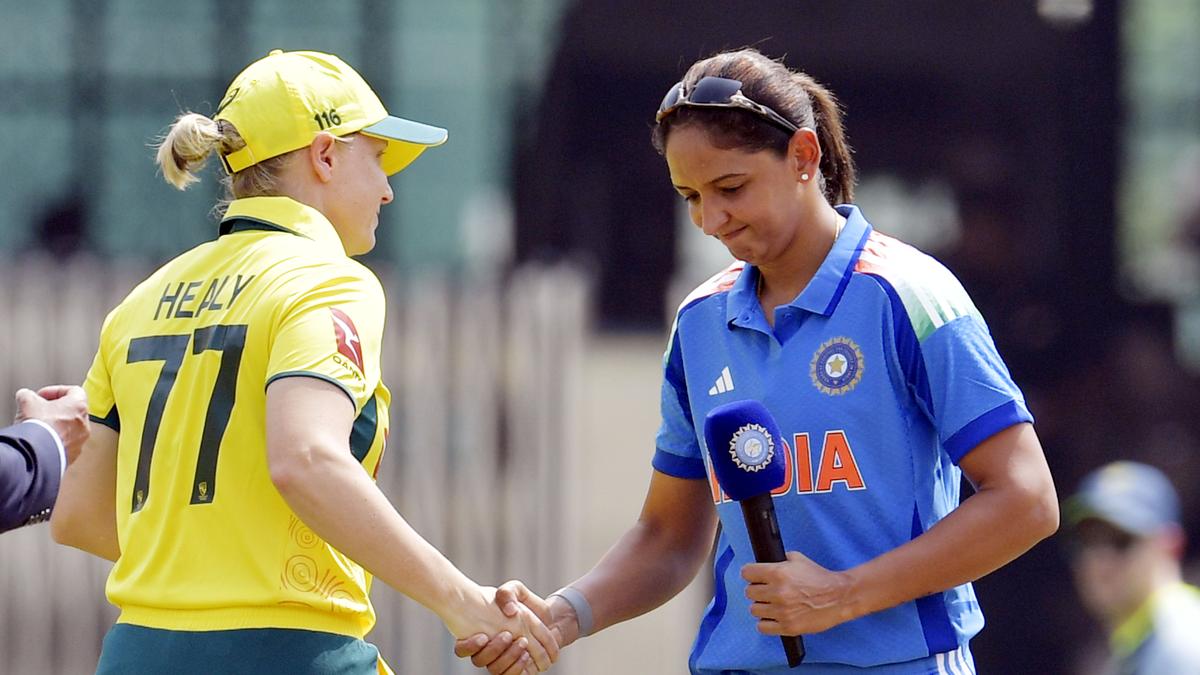
India Women’s Cricket Team Demonstrates Unwavering Belief Against Australia
The India women’s cricket team’s recent series against Australia has showcased remarkable resilience and strategic depth under the leadership of vice-captain Smriti Mandhana. We analyze the comprehensive performance indicators that demonstrate India’s readiness for upcoming international competitions, particularly focusing on the team’s mental fortitude and collective batting strength.
Smriti Mandhana’s Record-Breaking Performance Analysis
Statistical Excellence in ODI Series
Smriti Mandhana’s exceptional performance during the ODI series against Australia establishes her as a cornerstone of India’s batting lineup. We examine her match-winning century in the second ODI and her series-topping achievement of 300 runs, which represents the highest individual contribution throughout the series.
The statistical breakdown reveals Mandhana’s consistency across different match situations, demonstrating her ability to anchor innings while maintaining aggressive scoring rates. Her performance metrics indicate superior shot selection, boundary conversion rates, and partnership building capabilities that have become hallmarks of modern women’s cricket excellence.
Leadership Dynamics and Team Psychology
Mandhana’s approach to leadership transcends traditional batting responsibilities. We observe her emphasis on collective strength rather than individual dependency, reflecting a mature understanding of team dynamics in professional cricket. Her statement regarding the entire 15-member squad being match-winners indicates a comprehensive talent management philosophy.
The psychological framework she promotes centers on shared responsibility and collective confidence. This approach reduces pressure on individual performers while maximizing team potential across various match scenarios. Such leadership philosophy proves crucial during high-pressure international competitions.
India Women’s Cricket Team Batting Depth Analysis
Comprehensive Squad Performance Evaluation
We evaluate the significant batting contributions across the Indian squad over the past 12 months. The analysis reveals multiple century-makers including Pratika Rawal, Harleen Deol, Jemimah Rodrigues, and Harmanpreet Kaur, demonstrating exceptional batting depth and versatility.
The team’s ability to consistently achieve 300-plus scores even without Mandhana’s contribution validates the collective batting strength. We identify this as a crucial competitive advantage that distinguishes India from other international teams in women’s cricket.
Strategic Batting Positions and Role Distribution
Our analysis examines how different batting positions contribute to India’s overall scoring patterns. The distribution of centuries across various batting positions indicates strategic depth and adaptability. We observe enhanced middle-order stability and lower-order contributions that provide tactical flexibility during different match situations.
Fielding Performance: Critical Areas for World Cup Preparation
Comprehensive Fielding Analysis and Improvement Strategies
We identify fielding as the primary area requiring immediate attention before the upcoming World Cup. The series against Australia highlighted significant gaps in fielding consistency, with 15 dropped catches representing a substantial opportunity cost.
Our detailed analysis reveals patterns in fielding lapses, including timing issues, positioning errors, and communication breakdowns. We examine how these factors directly impact match outcomes and provide strategic recommendations for systematic improvement.
Fielding Unit Cohesion vs Individual Excellence
Mandhana’s emphasis on collective fielding unit performance rather than individual brilliance represents advanced tactical thinking. We analyze the correlation between team fielding consistency and overall match performance, highlighting how coordinated fielding efforts multiply defensive effectiveness.
The comparative analysis between Australia’s fielding standards and India’s current performance levels provides actionable insights for targeted improvement programs. We identify specific training methodologies and practice structures that can bridge this performance gap.
World Cup Preparation Strategy and Mindset Development
Mental Preparation and Confidence Building Framework
We examine the psychological foundations of India’s World Cup preparation strategy. Mandhana’s assertion about maintaining championship belief regardless of individual series results demonstrates sophisticated mental preparation approaches.
The team’s focus on process improvement rather than outcome dependency reflects mature competitive psychology. We analyze how this mindset contributes to consistent performance under pressure and enhances adaptability during critical tournament phases.
Strategic Opposition Analysis and Learning Integration
The utilization of the Australia series as a comprehensive assessment tool demonstrates strategic planning excellence. We evaluate how exposure to world-class opposition provides invaluable learning opportunities that cannot be replicated through domestic competition.
Our analysis reveals specific areas where Australia’s performance standards highlight improvement opportunities for India. We examine technical, tactical, and psychological aspects that require attention before major tournament participation.
Youth Development and Team Evolution Dynamics
Emerging Talent Integration and Performance Metrics
We analyze the integration of younger players into India’s established team structure. The willingness demonstrated by emerging talents to embrace learning opportunities represents a significant competitive advantage for long-term team development.
The evaluation includes performance metrics for newer team members, their adaptation rates, and contribution patterns during high-pressure situations. We identify how youth integration strategies contribute to overall team resilience and future championship potential.
Sustainable Performance Culture Development
Mandhana’s observation regarding the team’s collective willingness to work hard, learn, and grow represents fundamental cultural strengths. We examine how such cultural foundations translate into sustained competitive excellence across different tournament formats and conditions.
The analysis includes evaluation of training methodologies, performance review processes, and continuous improvement frameworks that support long-term team development objectives.
Technical Performance Indicators and Match Situation Management
Batting Strategy Adaptation Across Different Conditions
We provide comprehensive analysis of India’s batting adaptability across various match conditions encountered during the Australia series. The examination includes power-play utilization, middle-overs consolidation, and death-overs acceleration patterns.
Our technical evaluation reveals specific areas where India’s batting approach aligns with modern cricket requirements and identifies opportunities for further tactical refinement. We analyze shot selection patterns, partnership building strategies, and situational awareness indicators.
Bowling and All-Round Performance Integration
Beyond batting excellence, we examine India’s bowling performance and all-round capabilities demonstrated throughout the series. The analysis includes wicket-taking patterns, economy rate management, and tactical bowling changes across different match phases.
We evaluate how bowling performance complements batting strengths and identify synergies that maximize overall team effectiveness during various match scenarios.
Comparative Analysis: India vs Australia Women’s Cricket Standards
Performance Benchmarking and Gap Analysis
We conduct detailed comparative analysis between India and Australia across multiple performance indicators. The evaluation encompasses batting averages, bowling statistics, fielding efficiency, and overall match management capabilities.
Our benchmarking reveals specific areas where India demonstrates competitive parity and identifies targeted improvement zones that could enhance championship prospects. We analyze how performance gaps translate into match outcome probabilities.
Strategic Learning Integration and Implementation
The analysis examines how India can effectively integrate learnings from the Australia series into their preparation framework. We identify specific training focuses, tactical adjustments, and mental preparation strategies that address identified performance gaps.
World Cup Campaign Strategy and Execution Framework
Tournament Preparation Methodology
We outline comprehensive preparation strategies based on insights gained from the Australia series. The framework includes technical skill development, tactical preparation, mental conditioning, and team cohesion enhancement programs.
Our strategic analysis provides actionable recommendations for optimizing India’s World Cup campaign potential while maintaining the positive momentum generated through recent performances.
Long-term Development Vision and Sustainability
We examine how current team development approaches contribute to sustainable excellence in women’s cricket. The analysis includes talent pipeline development, performance culture maintenance, and strategic planning for future international competitions.
Conclusion: India Women’s Cricket Championship Potential
Our comprehensive analysis reveals India women’s cricket team’s substantial championship potential built upon strong leadership, batting depth, and collective team culture. While fielding improvements represent immediate priorities, the team’s psychological strength and adaptability demonstrate readiness for major tournament success.
The strategic approach emphasizing process improvement over outcome dependency, combined with youth integration and continuous learning culture, positions India favorably for sustained international competition excellence. We project that addressing identified fielding consistency issues while maintaining current batting momentum will significantly enhance India’s World Cup campaign prospects.