








The Shortest T20I Cricket Matches in India’s History: A Comprehensive Statistical Analysis
India’s Record-Breaking 106-Ball Victory Against UAE
India’s shortest completed T20I match occurred during their Asia Cup 2025 encounter against the United Arab Emirates, lasting just 106 balls across both innings. This remarkable achievement represents a significant milestone in international cricket, showcasing India’s dominance and the efficiency of modern T20I cricket.
The match required only 79 balls to dismiss UAE for their lowest-ever total against India of 57 runs, followed by just 27 balls for India to chase down the target. This unprecedented brevity highlights the evolving nature of T20I cricket and India’s bowling prowess in contemporary international tournaments.
Detailed Match Analysis: UAE vs India Asia Cup 2025
First Innings Performance Statistics
The UAE batting collapse represents one of the most comprehensive bowling performances in T20I history. UAE folded for 57 runs in just 13.1 overs, with the innings completed in 79 balls. This total established a new record for the lowest score by any team against India in T20I cricket.
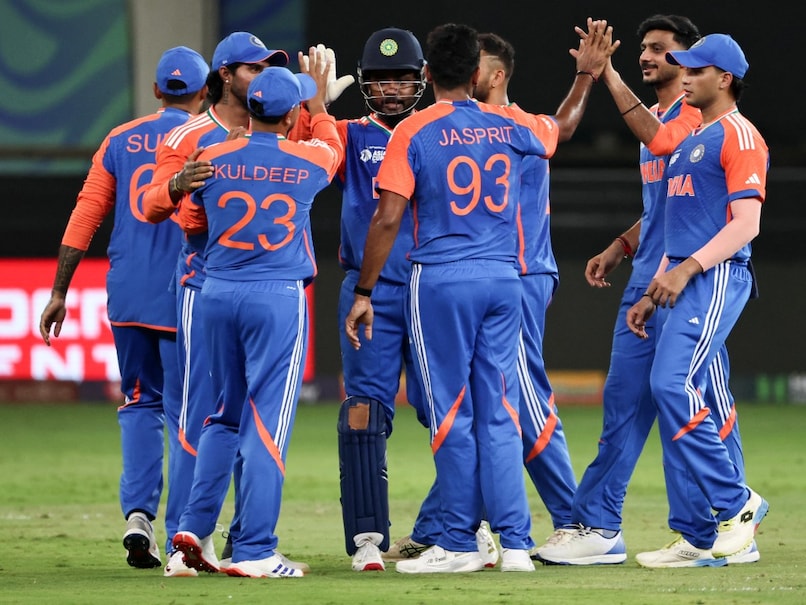
Kuldeep Yadav’s exceptional bowling figures of 4/7 spearheaded India’s dominant display. The left-arm wrist spinner’s performance exemplified the tactical sophistication that has become synonymous with India’s bowling attack in limited-overs cricket.
Second Innings Chase Statistics
India’s pursuit of UAE’s modest total demonstrated clinical efficiency in T20I cricket. The target was achieved in just 27 balls, completing the match in 17.4 overs total. This rapid conclusion underscores the vast difference in quality between established cricket nations and emerging cricket territories.
Historical Context of India’s Shortest T20I Matches
Previous Records and Comparative Analysis
Before the UAE encounter, India’s shortest completed T20I matches involved various opponents under different circumstances. A notable previous short match was against England in 2017 at Bengaluru, when England were dismissed for 127 from 119 balls after being 119 for 3.
The progression of India’s shortest T20I matches reflects several factors including improved bowling strategies, pitch conditions, and the psychological pressure experienced by opposing teams when facing India’s formidable lineup.
Rain-Affected Matches Exclusion
The 106-ball record specifically excludes rain-affected matches, making it the shortest completed T20I in India’s cricket history. This distinction is crucial for statistical accuracy, as weather-interrupted matches often create artificially short durations that don’t reflect actual playing conditions.
Technical Analysis of Match Duration Factors
Bowling Efficiency Metrics
The UAE match showcased exceptional bowling economy rates and strike rates that contributed to the abbreviated match duration. Kuldeep Yadav’s figures represent optimal bowling performance metrics in T20I cricket, combining accuracy with wicket-taking ability.
The bowling attack’s ability to maintain pressure throughout the innings prevented UAE from establishing partnerships or extending their batting duration. This systematic dismantling of the opposition batting order reflects India’s strategic approach to T20I cricket.
Batting Acceleration in Chase Scenarios
India’s chase strategy emphasized rapid scoring to minimize match duration while maintaining statistical superiority. The approach demonstrated calculated aggression that has become characteristic of India’s T20I batting philosophy.
Statistical Significance in T20I Cricket Records
Global T20I Duration Comparisons
The match duration of 17.4 overs represents the shortest completed match in men’s T20 Asia Cup history. This achievement places the encounter among the most notable brief matches in international T20I cricket.
The statistical significance extends beyond mere duration, encompassing bowling figures, margin of victory, and the comprehensive nature of India’s performance across all cricket disciplines.
Impact on Cricket Analytics
Modern cricket analytics increasingly focus on match efficiency metrics, including balls-per-wicket ratios, economy rates, and chase completion times. The UAE match provides benchmark data for optimal T20I performance analysis.
Comparative Analysis with Other Format Records
T20I vs Test Match Duration Extremes
While T20I cricket typically features abbreviated match durations, the contrast with Test cricket creates interesting analytical perspectives. India recently participated in the shortest completed Test match in history, lasting only 107 overs (642 balls) against South Africa.
This comparison highlights cricket’s format diversity and India’s involvement in record-breaking matches across different cricket formats, demonstrating their impact on contemporary cricket statistics.
Future Implications for T20I Cricket
Evolution of Match Strategies
The UAE match outcome suggests potential developments in T20I cricket strategies, particularly regarding bowling combinations and field placements. Teams may increasingly adopt aggressive bowling approaches that prioritize rapid wicket-taking over economy rates.
Tournament Format Considerations
Cricket administrators and tournament organizers must consider the implications of extremely short matches for broadcasting, spectator experience, and tournament scheduling. The brevity of such encounters raises questions about optimal T20I tournament structures.
Key Performance Indicators
The match featured several critical performance indicators that contributed to its record-breaking brevity:
- Total Balls Played: 106 across both innings
- UAE Batting Duration: 79 balls (13.1 overs)
- India Chase Duration: 27 balls (4.3 overs)
- Leading Wicket-Taker: Kuldeep Yadav (4 wickets)
- Target Score: 58 runs
- Victory Margin: Comprehensive (7 wickets remaining)
Regional and International Cricket Impact
Asia Cup Tournament Dynamics
The match represented the shortest completed encounter in men’s T20 Asia Cup history, establishing a precedent for future tournaments in the region. This achievement influences tournament planning and broadcasting considerations for Asian cricket administrators.
Development Cricket Implications
The result highlights the developmental gaps between established cricket nations and emerging cricket territories. UAE’s performance, while disappointing, provides valuable data for cricket development programs in associate nations.
Statistical Methodology and Record Verification
Data Collection Standards
Cricket statistics require rigorous verification processes to ensure accuracy and consistency across different formats and tournaments. The 106-ball record undergoes continuous validation through official cricket databases and statistical organizations.
Historical Record Maintenance
International cricket records demand comprehensive documentation that includes match conditions, player performances, and contextual factors. This systematic approach ensures statistical integrity across cricket’s diverse formats and competitions.
Conclusion: India’s T20I Cricket Excellence
India’s 106-ball victory against UAE represents the shortest completed T20I in the nation’s cricket history, demonstrating their continued excellence in limited-overs cricket. This achievement reflects tactical sophistication, individual brilliance, and collective team performance that has established India as a dominant force in international T20I cricket.
The match’s statistical significance extends beyond mere duration records, encompassing broader implications for cricket strategy, tournament organization, and the continued evolution of T20I cricket as a dynamic and entertaining format. As cricket continues to evolve, such performances provide valuable insights into optimal playing strategies and the potential for further innovation in international cricket competitions.