







Virender Sehwag’s Explosive Revelation: How MS Dhoni’s Decision Nearly Ended His ODI Career and Sachin Tendulkar’s Life-Changing Intervention
The Shocking Confession That Rocked Cricket World
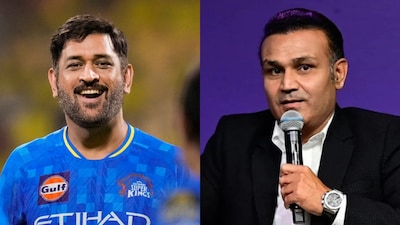
Virender Sehwag’s Explosive Revelation: Cricket legends often carry untold stories that reshape our understanding of the game’s history. In one of the most candid revelations in recent cricket discourse, former Indian opener Virender Sehwag disclosed how a critical decision by MS Dhoni during the 2008 Australia tour nearly prompted him to retire from One Day International cricket altogether. This bombshell confession, coupled with Sachin Tendulkar’s pivotal intervention, reveals the complex dynamics within the Indian cricket team during one of its most transitional periods.
The 2008 Australia Tour: A Career-Defining Moment
Sehwag’s Form and Team Dynamics
During India’s tour of Australia in 2008, Virender Sehwag found himself in an unprecedented situation. Despite maintaining reasonable form, the destructive opener was dropped from the playing XI by then-captain MS Dhoni during the Commonwealth Bank Series. This decision came as a shock not only to Sehwag but to cricket enthusiasts worldwide who had witnessed his explosive batting displays over the years.
We must understand the context surrounding this decision. The 2008 tour was crucial for India’s ODI team composition, coming in the wake of the 2007 World Cup disappointment. The team management, led by Dhoni, was experimenting with different combinations and strategies. However, for a player of Sehwag’s caliber, who had revolutionized opening batting in limited-overs cricket, being dropped felt like a personal and professional blow.
The Emotional Impact on Sehwag
The psychological impact of Dhoni’s decision cannot be understated. Sehwag, known for his aggressive approach and match-winning capabilities, had built his reputation on fearless batting and game-changing performances. Being sidelined during such a significant tour series created doubts about his future in the format.
In his own words, Sehwag contemplated announcing his retirement from ODI cricket during the Australia tour itself. The veteran opener revealed that he was mentally prepared to continue playing only Test cricket, abandoning the limited-overs format entirely. This decision would have robbed Indian cricket of countless memorable performances that Sehwag delivered in subsequent years.
Sachin Tendulkar’s Masterful Intervention
The Master’s Wisdom
Enter Sachin Tendulkar, the Master Blaster whose influence transcended mere statistics and records. When Sehwag was at his lowest point, contemplating a premature exit from ODI cricket, Tendulkar stepped in with words that would prove prophetic and career-saving.
Tendulkar’s intervention was both timely and profound. He advised Sehwag to view this setback as merely a “bad phase” rather than a definitive judgment on his abilities. The cricket legend’s counsel was simple yet powerful: return home, reflect deeply on the situation, and then make an informed decision about the future.
The Psychology Behind Tendulkar’s Advice
We can analyze Tendulkar’s approach from multiple perspectives. First, he recognized that emotional decisions made during difficult periods rarely serve a player’s long-term interests. Second, he understood that Sehwag’s talent was too valuable to be wasted due to temporary setbacks. Third, Tendulkar’s own experience with ups and downs in international cricket provided him with the wisdom to guide a fellow batsman through challenging times.
The timing of this advice proved crucial. Had Sehwag announced his ODI retirement during the Australia tour, Indian cricket would have lost one of its most entertaining and effective opening batsmen prematurely.
The Aftermath and Return to Form
Selector Support and Team Dynamics
Upon returning to India, the situation took a positive turn. K Srikkanth, who was serving as the chairman of selectors at the time, played a supportive role in Sehwag’s comeback story. The selector’s approach demonstrated the importance of backing talent during difficult phases rather than writing off players based on temporary form lapses.
Sehwag’s conversation with Srikkanth revealed the opener’s frustration with being dropped despite maintaining good form. This dialogue highlighted the complex decision-making processes in team selection and the emotional toll such decisions take on players.
The Vindication of Tendulkar’s Faith
The subsequent years proved that Tendulkar’s faith in Sehwag was completely justified. The opener continued to serve Indian cricket with distinction, delivering numerous match-winning performances and maintaining his reputation as one of the most feared batsmen in world cricket.
We witnessed Sehwag’s resilience and determination as he bounced back from this low point to achieve greater heights in his career. His ability to overcome this setback and continue performing at the highest level stands as a testament to both his character and Tendulkar’s wise counsel.
The Broader Implications for Team Management
Leadership Decisions and Player Psychology
This incident provides valuable insights into the psychological aspects of team management. Dhoni’s decision to drop Sehwag, while perhaps tactically sound from his perspective, nearly resulted in the premature loss of a match-winner. This situation demonstrates the delicate balance captains must maintain between team strategy and player morale.
We can examine how different leadership styles impact team dynamics. While Dhoni’s approach was focused on team combinations and strategic flexibility, it inadvertently created a situation where one of India’s most successful openers contemplated retirement.
The Role of Senior Players in Crisis Management
Tendulkar’s intervention highlights the crucial role senior players can play in managing team crises. His ability to provide perspective and emotional support during Sehwag’s darkest moment showcases leadership qualities that extend beyond mere on-field performance.
The relationship between senior players becomes particularly important during transitional phases in team composition. Tendulkar’s support for Sehwag demonstrates how established players can help their teammates navigate challenging periods and maintain team unity.
Statistical Context and Career Impact
Sehwag’s ODI Achievements
To understand the magnitude of what Indian cricket nearly lost, we must examine Sehwag’s ODI achievements. Throughout his career, he accumulated 8,273 runs in 251 ODI matches, maintaining a strike rate that was revolutionary for opening batsmen of his era. His aggressive approach redefined how openers could approach limited-overs cricket.
Had Sehwag retired from ODIs in 2008, India would have missed numerous memorable innings and match-winning performances. His subsequent contributions to Indian cricket validate Tendulkar’s decision to intervene during that crucial moment.
The Evolution of Opening Partnerships
Sehwag’s continued participation in ODI cricket contributed significantly to the evolution of India’s opening partnerships. His combinations with various partners, including Sachin Tendulkar himself, provided India with aggressive starts that often determined match outcomes.
We can trace the development of India’s limited-overs strategy through Sehwag’s performances post-2008. His ability to provide explosive starts remained a crucial component of India’s batting approach in subsequent years.
Lessons for Modern Cricket
Mental Health and Player Support Systems
This incident predates the current focus on mental health in cricket, yet it highlights issues that remain relevant today. The emotional impact of selection decisions on players demonstrates the need for robust support systems within cricket teams.
Modern cricket has evolved to include sports psychologists and mental health professionals, partly due to situations like the one Sehwag faced. We can see how peer support, exemplified by Tendulkar’s intervention, remains crucial for player well-being.
Communication and Decision-Making Processes
The Sehwag incident also highlights the importance of clear communication in team management. While captains must make difficult decisions, the way these decisions are communicated and managed can significantly impact player morale and team dynamics.
Contemporary cricket leadership has learned from such experiences, developing more sophisticated approaches to player management and communication during difficult periods.
The Legacy of This Revelation
Impact on Cricket Narratives
Sehwag’s confession adds another layer to the rich tapestry of cricket stories and relationships. It reveals the human side of professional cricket, where even established players face moments of doubt and uncertainty.
We understand that this revelation provides fans and cricket historians with deeper insights into the personalities and relationships that shaped Indian cricket during the 2000s. Such stories contribute to our appreciation of the complex dynamics within successful cricket teams.
Influence on Future Generations
The story of Sehwag’s near-retirement and Tendulkar’s intervention serves as an important lesson for future generations of cricketers. It demonstrates the value of seeking guidance from experienced players during challenging periods and the importance of patience during difficult phases.
Young cricketers can learn from both Sehwag’s initial emotional response and his ultimate decision to heed Tendulkar’s advice. This narrative provides a blueprint for handling setbacks and maintaining perspective during professional challenges.
Conclusion: The Power of Mentorship in Crisis
The revelation of Virender Sehwag’s near-retirement from ODI cricket following MS Dhoni’s selection decision provides profound insights into the emotional and psychological challenges faced by professional cricketers. More importantly, it celebrates the power of mentorship and wise counsel in times of crisis.
Sachin Tendulkar’s intervention stands as a masterclass in leadership and peer support. His ability to provide perspective during Sehwag’s darkest moment not only saved a career but potentially altered the trajectory of Indian cricket. The subsequent years of Sehwag’s ODI career, filled with memorable performances and crucial contributions, serve as a testament to the Master Blaster’s wisdom.
This story reminds us that behind the statistics, records, and match-winning performances lie human beings dealing with doubt, frustration, and uncertainty. It celebrates the relationships and bonds that often determine the course of sporting careers and, by extension, sporting history.
For cricket enthusiasts, this revelation adds another fascinating chapter to the ongoing narrative of Indian cricket’s golden era. It demonstrates that even the most successful careers are built on moments of crisis, support, and the courage to persevere through difficult times.
The legacy of this incident extends beyond the individuals involved, offering valuable lessons for team management, player development, and the importance of creating supportive environments in professional sports. As cricket continues to evolve, the fundamental human elements highlighted by this story remain as relevant as ever.