







Pahalgam Terror Attack Widow Leads National Call to Boycott India-Pakistan Asia Cup Cricket Match
Aishanya Dwivedi’s Powerful Stand Against BCCI’s Controversial Decision
The sporting world faces unprecedented scrutiny as families of terror attack victims unite against the Board of Control for Cricket in India’s decision to proceed with the highly anticipated India-Pakistan Asia Cup 2025 match. At the forefront of this movement stands Aishanya Dwivedi, whose husband Shubham Dwivedi was among the 26 civilians tragically killed in the recent Pahalgam terror attack.
The Heart-Wrenching Appeal for Cricket Match Boycott
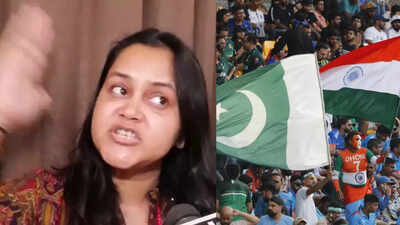
Aishanya Dwivedi’s emotional plea resonates across the nation as she calls for a complete boycott of the India vs Pakistan cricket match scheduled for Sunday, September 14, 2025, at Dubai International Stadium. Her powerful message extends beyond mere attendance, urging citizens not to even switch on their televisions to watch the match.
The widow’s criticism of the BCCI centers on what she perceives as the board’s insensitivity toward families affected by terrorism. In her statement to media outlets, Dwivedi expressed her disbelief at the cricket board’s decision to proceed with the match so soon after the devastating attack that claimed her husband’s life along with 25 other innocent civilians.
BCCI Under Fire: Cricket Politics vs National Sentiment
The Board of Control for Cricket in India finds itself at the center of a growing controversy as public sentiment increasingly questions the timing and appropriateness of the India-Pakistan cricket match. Dwivedi’s accusations that the BCCI lacks sentiment toward terrorism victims have sparked nationwide debate about the role of sports in times of national tragedy.
The cricket governing body’s decision to maintain the scheduled match despite recent terrorist activities has drawn criticism from various quarters. Family members of Pahalgam attack victims argue that the BCCI’s stance reflects a disconnect from the ground realities faced by ordinary citizens who bear the brunt of terrorist violence.
The Pahalgam Terror Attack: Context Behind the Cricket Controversy
The recent Pahalgam terror attack represents one of the most significant security challenges in the region, resulting in the loss of 26 civilian lives. Among the victims was Shubham Dwivedi from Kanpur, Uttar Pradesh, whose death has left his wife Aishanya to fight for recognition and respect for the families affected by terrorism.
The attack’s proximity to the scheduled cricket match has intensified discussions about the appropriateness of sporting events during periods of national mourning. Critics argue that proceeding with high-profile Indo-Pakistani cricket matches immediately following terrorist incidents sends the wrong message about national priorities.
National Security Concerns and Cricket Diplomacy
The intersection of cricket and national security has become increasingly complex, with sporting events often viewed as diplomatic tools between India and Pakistan. However, recent terror attacks have complicated this relationship, forcing cricket authorities to navigate between sporting commitments and national sentiment.
Security experts and political analysts have weighed in on the debate, with some arguing that canceling or postponing cricket matches gives terrorists a victory by disrupting normal life. Others contend that proceeding with matches immediately after attacks demonstrates insensitivity to victims’ families and may compromise security arrangements.
Public Response to the Cricket Boycott Call
The call for boycotting the India-Pakistan Asia Cup match has gained significant traction on social media platforms and among various civil society groups. Citizens across the country have expressed solidarity with Aishanya Dwivedi’s position, sharing her message and pledging to avoid watching the match.
The boycott movement extends beyond mere protest, representing a broader discussion about the commercialization of cricket and its impact on national priorities. Many supporters argue that temporary suspension of cricket matches following terrorist attacks would demonstrate respect for victims and their families.
Cricket Administration and Moral Responsibility
The current controversy highlights fundamental questions about the moral responsibilities of cricket administrators in times of national crisis. The BCCI’s handling of the situation has prompted discussions about whether sporting bodies should consider broader social and political contexts when making scheduling decisions.
Critics argue that the cricket board’s primary focus on commercial interests and broadcasting commitments overshadows humanitarian concerns. The organization faces increasing pressure to develop more sensitive policies for handling sporting events during national emergencies or periods of mourning.
Impact on India-Pakistan Cricket Relations
The boycott call and surrounding controversy threaten to further complicate the already complex relationship between Indian and Pakistani cricket. Historical tensions between the two nations have often manifested in sporting contexts, with cricket matches serving as both bridges and battlegrounds for diplomatic relations.
The current situation adds another layer of complexity to bilateral cricket relations, potentially influencing future scheduling decisions and the broader framework of sports diplomacy between the neighboring countries. Cricket authorities on both sides must navigate these sensitive waters while maintaining sporting integrity.
Family Voices and Victim Rights
Aishanya Dwivedi’s prominent role in the boycott movement represents the voices of numerous families affected by terrorism who feel marginalized by mainstream sporting and political establishments. Her courage in speaking out against powerful cricket institutions highlights the need for greater inclusion of victim perspectives in policy decisions.
The movement also raises important questions about victim rights and the responsibility of public institutions to acknowledge and respect the grief of those affected by violence. The cricket controversy has provided a platform for these families to express their concerns and demand recognition.
Media Coverage and Public Discourse
The extensive media coverage of the boycott call has sparked nationwide discussions about priorities, values, and the role of entertainment in times of tragedy. News outlets across the country have given prominence to Dwivedi’s story, amplifying her message and contributing to the growing debate about cricket and national security.
Social media platforms have become battlegrounds for opposing viewpoints, with supporters of the boycott sharing personal stories and statistics about terrorism’s impact on ordinary families. The digital discourse has helped sustain momentum for the movement while providing a platform for broader discussions about cricket’s place in Indian society.
Economic Implications of Cricket Boycott
The potential success of the boycott movement could have significant economic implications for cricket broadcasting, advertising, and related industries. Television viewership numbers for India-Pakistan matches typically reach unprecedented levels, generating substantial revenue for broadcasters and advertisers.
A successful boycott could send strong signals to cricket administrators about public sentiment and potentially influence future decision-making processes regarding controversial matches. The economic impact might also encourage greater sensitivity to public concerns in scheduling and policy decisions.
Government Response and Policy Considerations
The government’s position on the cricket controversy remains a subject of intense speculation and debate. While official statements have been limited, the political implications of the boycott movement and its impact on Indo-Pakistani relations cannot be ignored.
Policy makers face the challenge of balancing sporting commitments, diplomatic relationships, and public sentiment while ensuring national security remains the top priority. The cricket controversy may prompt broader discussions about the government’s role in regulating sporting events during sensitive periods.
Future of Cricket Administration in Crisis Situations
The current controversy is likely to influence how cricket administrators handle future crises and their relationship with public sentiment. The BCCI and other sporting bodies may need to develop more comprehensive crisis management strategies that account for national mood and victim sensitivities.
The precedent set by this situation could reshape the landscape of sports administration in India, potentially leading to more inclusive decision-making processes that consider broader social implications beyond commercial and sporting interests.
Conclusion: A Nation at Crossroads
The Pahalgam terror attack widow’s call to boycott the India-Pakistan cricket match represents more than a sporting controversy—it embodies a nation’s struggle to balance entertainment, diplomacy, and human dignity. Aishanya Dwivedi’s courageous stand has opened important conversations about institutional sensitivity, victim rights, and the true meaning of national priorities.
As the scheduled match date approaches, the cricket world watches to see whether public sentiment will translate into measurable impact on viewership and attendance. Regardless of the immediate outcome, this controversy has already succeeded in highlighting the need for more compassionate and inclusive approaches to sports administration during times of national tragedy.
The broader implications of this movement extend far beyond cricket, touching on fundamental questions about how societies honor their fallen citizens and support grieving families. The response to Dwivedi’s call may well define the relationship between sports, politics, and human dignity in contemporary India.
This comprehensive analysis examines the multifaceted controversy surrounding the India-Pakistan cricket match boycott call, providing detailed insights into the various stakeholders, implications, and broader societal questions raised by this unprecedented situation.