








FIFA Defends Refereeing Decisions After Argentina’s Dramatic Victory Over Egypt
July 9, 2026
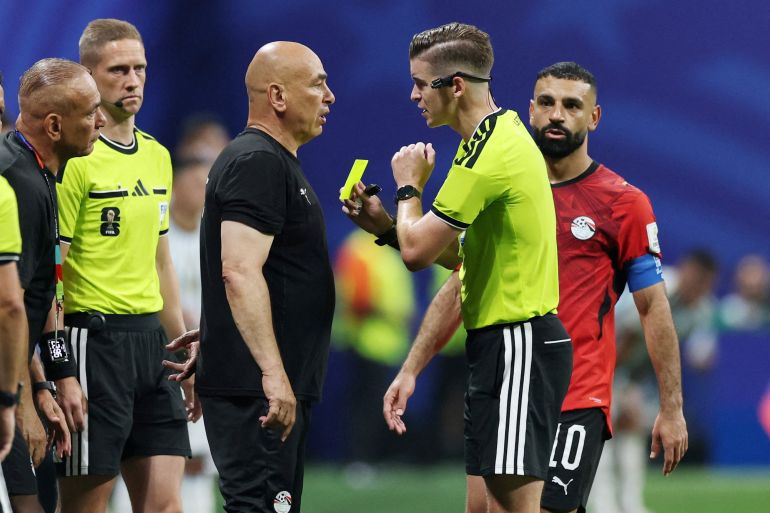
FIFA has strongly defended the refereeing decisions made during Argentina’s dramatic 3-2 victory over Egypt in the 2026 FIFA World Cup, dismissing allegations of bias following one of the tournament’s most controversial matches.
The Round of 16 encounter sparked widespread debate after Egypt saw a crucial goal ruled out following a Video Assistant Referee (VAR) review. The decision proved to be a turning point as Argentina staged a remarkable comeback to secure a place in the quarterfinals.
Speaking after the match, FIFA’s Chief of Refereeing, Pierluigi Collina, said the match officials correctly applied the Laws of the Game and rejected claims that Argentina received preferential treatment.
“The referees followed the VAR protocol exactly as required,” Collina said, adding that every goal is automatically reviewed and that officials are authorized to examine fouls committed during the attacking possession phase if they directly influence the goal.
The controversy centered on an Egyptian goal scored by Mostafa Zico, which was overturned after VAR identified a foul earlier in the attacking move. Although the referee had initially allowed play to continue, video replays showed contact that FIFA determined constituted a foul under the current rules.
Egyptian players and officials expressed frustration over the decision, arguing that the challenge was too minor to warrant intervention and questioning the consistency of VAR throughout the tournament.
The Egyptian Football Association also criticized the officiating, claiming several key decisions favored Argentina. Among their concerns was a late penalty appeal involving captain Mohamed Salah, which was dismissed by both the on-field referee and the VAR team.
Collina defended that decision as well, explaining that the Argentine defender made legitimate contact with the ball before incidental contact occurred with Salah. According to FIFA’s review, the incident did not meet the threshold for a penalty.
The governing body also rejected suggestions that Argentina benefited because of its status as defending world champion. Collina emphasized that FIFA referees operate independently and that all decisions are based solely on the Laws of the Game.
“Referees do not favor any team,” he said. “Their responsibility is to apply the rules fairly and consistently.”
The match has reignited global debate over the use of VAR, particularly regarding the interpretation of the attacking possession phase and the level of contact required for intervention. While many analysts have supported FIFA’s explanation of the rules, others believe the technology continues to create inconsistency and controversy during football’s biggest tournament.
Despite the criticism, FIFA has reaffirmed its confidence in the officiating team and maintained that all major decisions during the Argentina-Egypt match were reviewed correctly according to the established VAR protocol.
Argentina now advances to the quarterfinals, while Egypt exits the tournament after a performance that has earned widespread praise despite the heartbreaking defeat. The refereeing controversy, however, is likely to remain one of the defining talking points of the 2026 FIFA World Cup.