






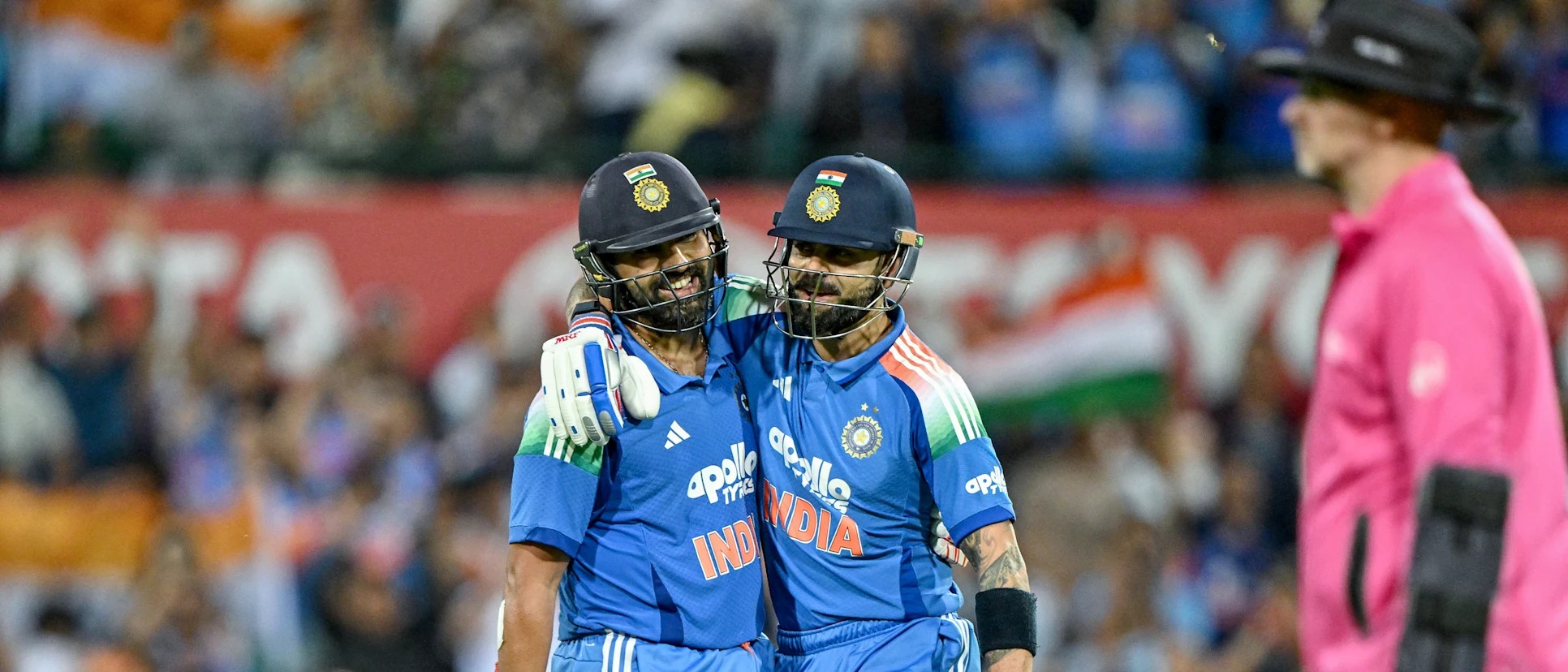
Veteran Insights: Why Virat Kohli and Rohit Sharma Remain Prime Contenders for the 2027 Cricket World Cup
As the global cricketing landscape evolves, discussions around the longevity and future contributions of senior players intensify. Among the most debated topics is whether Virat Kohli and Rohit Sharma—two modern greats of the game—will continue to dominate international cricket long enough to feature in the 2027 Cricket World Cup. We explore this subject through performance trends, fitness evolution, leadership influence, and the strategic needs of the Indian cricket team.
Elite Fitness and Performance Longevity of Modern Cricketers
Both Kohli and Sharma have demonstrated exceptional physical conditioning that rivals even younger players entering the squad today. With sports science at the forefront of cricket training, their discipline, recovery methods, diet regimes, and athletic consistency indicate a strong capability to sustain elite-level performances for years ahead.
Their current metrics—running between the wickets, average sprint times, and fielding agility—continue to mirror or outperform many rising talents. These attributes are crucial indicators that both athletes have the potential endurance required for the 2027 World Cup campaign.
Experience-Driven Value in High-Pressure Tournaments
International ICC tournaments require more than raw talent; they demand composure, decision-making clarity, and leadership forged through years of top-tier competition. Kohli and Sharma have repeatedly excelled in high-stakes cricket, turning pressure moments into match-defining contributions.
Their collective experience across multiple formats and global tournaments positions them as stabilizing forces—something the Indian team will greatly benefit from in 2027.
Statistical Evidence of Sustained Excellence
Virat Kohli’s Everlasting Dominance
Kohli’s batting consistency, adaptability across continents, and exceptional chase mastery continue to make him one of the most reliable batters in world cricket. His scoring frequency in ODI cricket remains unmatched, even as he progresses deeper into his career.
Rohit Sharma’s Evolution as a Leader and Opener
Sharma’s transformation into a more aggressive, confident opener has reshaped India’s ODI structure. His captaincy, tactical awareness, and controlled shot-making offer India both stability and explosive scoring at the top. Data trends indicate no downward trajectory significant enough to question his 2027 prospects.
Leadership Continuity and Mentorship Role
From nurturing emerging talents to reinforcing team culture, both players serve as key pillars for maintaining a winning dressing-room environment. Their guidance accelerates the development of young stars, ensuring they mature into match-winners well before 2027.
The Indian team’s transition strategy strongly favors the presence of senior mentors who can blend experience with youthful energy—a dynamic both Kohli and Sharma embody seamlessly.
Strategic Relevance of Their Playing Styles for 2027
Kohli’s Middle-Order Reliability
A dependable middle-order anchor is invaluable in a format dominated by pace variations, field restrictions, and evolving pitch behavior. Kohli’s game perfectly aligns with conditions expected in the 2027 World Cup—controlled aggression, adaptability, and match awareness.
Rohit’s Top-Order Dominance
Rohit’s ability to dismantle the new ball and convert starts into big centuries remains rare in ODI cricket. His style brings stability during transitions and enables India to set or chase massive totals with clarity and confidence.
Comparative Analysis of Age Trends in Cricketing Greats
Players like Sachin Tendulkar, Chris Gayle, Misbah-ul-Haq, and James Anderson have redefined longevity in international cricket. Kohli and Sharma are well on track to mirror such extended peak phases.
Emerging Talent Integration Without Replacing Senior Pillars
India’s bench strength continues to grow, but replacements do not always necessitate the immediate removal of experienced match-winners. A hybrid squad for 2027—integrating youth with the stabilizing influence of Kohli and Sharma—appears strategically superior.
Why Their Participation in the 2027 World Cup Is Likely
- Consistently elite performance indicators
- Modern fitness standards that extend athletic lifespan
- Immense leadership influence in big tournaments
- Strong alignment with India’s ODI strategy
- Proven ability to evolve with new cricketing demands
These combined factors strongly support the likelihood of both players featuring prominently in the 2027 World Cup squad.
Conclusion: Kohli and Sharma Remain India’s Backbone for 2027
The trajectory of their fitness, form, skill evolution, and leadership presence makes the inclusion of Virat Kohli and Rohit Sharma in the 2027 Cricket World Cup not only plausible but strategically advantageous. Their unmatched experience and consistent performance continue to shape the future of Indian cricket—and their roles will remain invaluable as India builds toward the next global campaign.