








Virat Kohli, Rohit Sharma & Indian Cricket’s Future: Why Clarity Is No Longer Optional
The Urgent Need for Transparent Transition in Indian Cricket

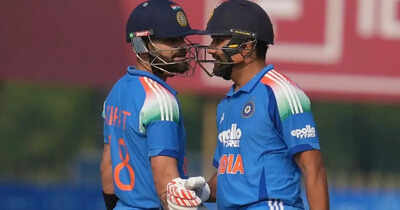
Indian cricket stands at a decisive crossroads. With stalwarts like Virat Kohli and Rohit Sharma nearing the twilight of their careers, the absence of a clear roadmap from the Board of Control for Cricket in India has created uncertainty that risks destabilizing long-term planning.
We assert that ambiguity is no longer sustainable. Indian cricket, as a global powerhouse, demands structured communication, decisive leadership, and a transparent succession strategy.
Leadership Vacuum: A Silent Crisis in Indian Cricket
The current scenario reflects a subtle but critical leadership vacuum. While both Kohli and Rohit continue to contribute significantly, questions around their future roles—across formats—remain unanswered.
Key Concerns:
- No official timeline for transition or retirement
- Lack of defined leadership succession
- Uncertainty affecting team combination and planning
- Inconsistent communication from selectors and management
This uncertainty is not merely speculative—it directly impacts team morale, dressing room hierarchy, and strategic clarity.
Performance vs. Transition: A Delicate Balance
Both senior players continue to deliver performances, but elite sport requires foresight beyond present form.
Virat Kohli’s Position
Kohli remains one of the most technically sound and mentally resilient players in world cricket. However, questions arise:
- How long will he continue across formats?
- Is there a defined mentorship role for the next generation?
Rohit Sharma’s Role
As captain, Rohit has led India through crucial tournaments. Yet:
- His long-term captaincy vision remains undefined
- No clear deputy has been publicly positioned as successor
Without clarity, Indian cricket risks reactive decision-making rather than proactive evolution.
Impact on Team Dynamics and Selection Strategy
The ripple effects of indecision extend across the entire squad.
Emerging Players in Limbo
Young talents struggle to secure consistent opportunities due to unclear transition timelines. This leads to:
- Rotational instability
- Lack of role clarity
- Interrupted player development cycles
Selection Dilemmas
Selectors face a recurring conflict:
- Prioritize experienced players or invest in future stars?
- Balance immediate results with long-term sustainability?
This duality weakens strategic cohesion.
The Cost of “Hocus-Pocus” Management
Ambiguity in communication fosters speculation, media narratives, and unnecessary pressure on players.
Consequences:
- Increased scrutiny on senior players
- Confusion among fans and stakeholders
- Lack of accountability within administration
Indian cricket deserves structured governance—not vague signals or delayed decisions.
A Strategic Roadmap for Indian Cricket’s Future
We propose a clear, actionable framework to ensure a smooth transition.
1. Defined Exit and Role Transition Plans
- Establish timelines for senior players across formats
- Introduce phased exits rather than abrupt changes
2. Leadership Succession Blueprint
- Identify and groom future captains early
- Assign vice-captaincy with long-term intent
3. Transparent Communication
- Regular updates from selectors and BCCI
- Public clarity on team direction and strategy
4. Structured Mentorship Programs
- Utilize experience of Kohli and Rohit in mentoring roles
- Integrate senior players into leadership development
Why Immediate Action Is Critical
Delaying decisions in a high-performance environment leads to stagnation. Indian cricket cannot afford reactive transitions driven by external pressure or tournament failures.
Strategic Imperatives:
- Protect legacy of senior players with dignified exits
- Build a future-ready team with clarity and confidence
- Maintain India’s dominance in global cricket
Conclusion: Clarity Is the Only Way Forward
Indian cricket has never lacked talent, resources, or fan support. What it requires now is decisive leadership and transparent planning.
The futures of Virat Kohli and Rohit Sharma must be addressed with clarity—not speculation. The Board of Control for Cricket in India must take ownership of this transition phase and communicate a clear roadmap.
Only then can Indian cricket move forward with purpose, stability, and sustained excellence.